GLP-1s & Gut Health: Beyond Weight Loss
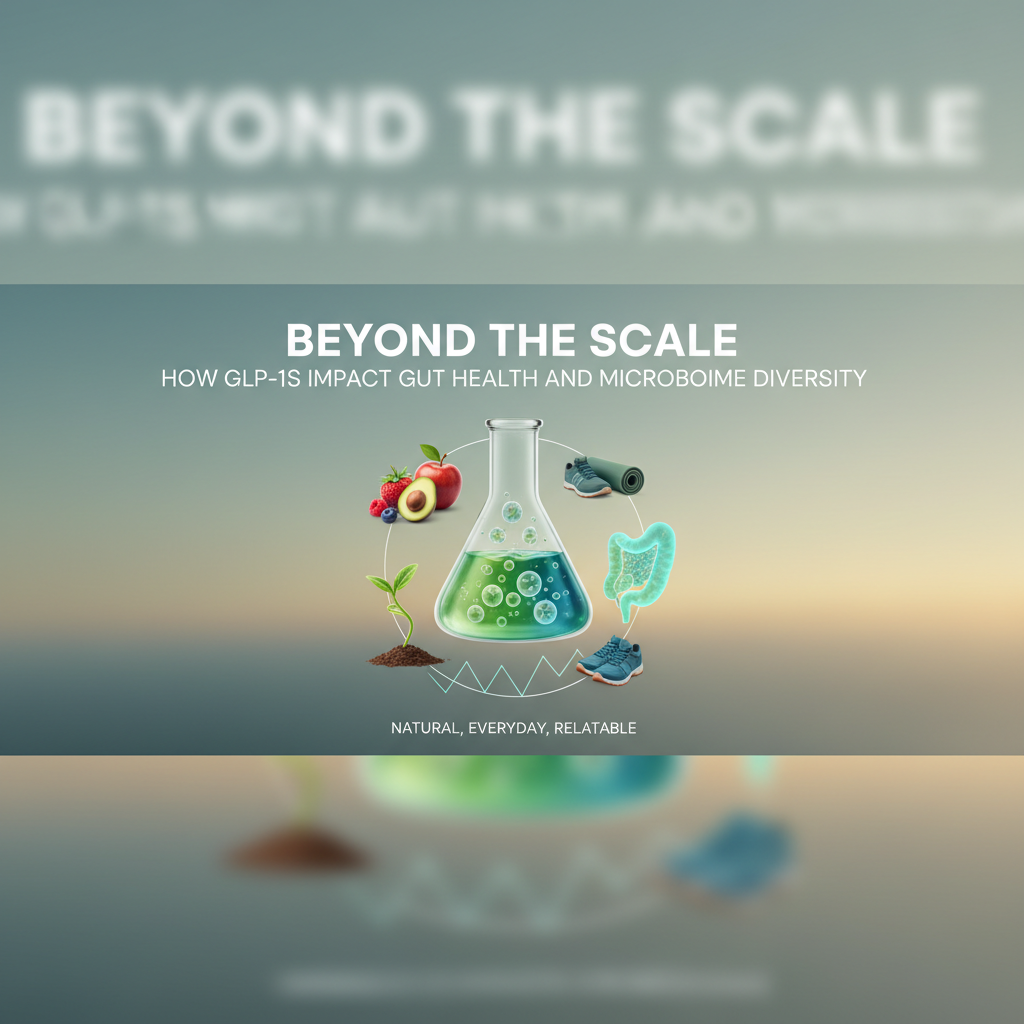
When you hear about GLP-1 medications, the first thing that probably comes to mind is weight loss. And for good reason! These innovative treatments have shown remarkable success in helping individuals achieve significant and sustainable weight reduction. But what if we told you that the impact of GLP-1s goes much deeper, potentially influencing something as fundamental as your gut health and the intricate community of microorganisms living within you – your microbiome?
It's true! The relationship between GLP-1s and your gut is a fascinating area of ongoing research, revealing potential benefits that extend beyond simply shedding pounds. Understanding this connection can offer a more holistic view of how these medications work and their broader implications for overall wellness. Let's dive in and explore the exciting world of GLP-1 gut health.
What Are GLP-1s and How Do They Work?
Before we explore their gut-centric effects, let's briefly recap what GLP-1s are. GLP-1 stands for Glucagon-Like Peptide-1, a natural hormone produced in your gut after you eat. It plays several crucial roles in regulating your metabolism:
- Stimulates Insulin Release: When blood sugar levels rise, GLP-1 signals your pancreas to release more insulin.
- Suppresses Glucagon: It reduces the release of glucagon, a hormone that raises blood sugar.
- Slows Gastric Emptying: This means food stays in your stomach longer, leading to a feeling of fullness and helping to control blood sugar spikes.
- Reduces Appetite: GLP-1 acts on brain receptors to decrease hunger and increase satiety.
GLP-1 receptor agonists (medications like Wegovy, Ozempic, Mounjaro, and Zepbound) mimic the action of this natural hormone, amplifying these effects to help with blood sugar control and weight management.
The Gut-Brain-GLP-1 Axis: A Complex Connection
The gut is often called our 'second brain,' and for good reason. It's home to trillions of microorganisms, collectively known as the gut microbiome, which influence everything from digestion and nutrient absorption to immune function and even mood. The connection between your gut, your brain, and hormones like GLP-1 is a sophisticated communication network known as the gut-brain-axis.
GLP-1 is produced by L-cells primarily located in the lower small intestine and colon. This means that its production is directly influenced by what you eat and the state of your gut. The very cells that produce this important hormone are nestled within your digestive tract, highlighting its intrinsic link to gut function.
Direct and Indirect Effects of GLP-1s on Gut Health
When discussing GLP-1 gut health, it's important to consider both the direct actions of these medications on the digestive system and their indirect impacts, particularly on the microbiome.
Slowing Gastric Emptying: More Than Just Feeling Full
One of the most well-known effects of GLP-1s is slowing down how quickly food leaves your stomach. While this primarily contributes to satiety and better blood sugar control, it has other implications for your gut:
- Extended Nutrient Absorption: Slower emptying means more time for nutrients to be absorbed in the small intestine.
- Reduced Post-Meal Spikes: It helps prevent rapid increases in blood glucose, which can be beneficial for the gut lining and overall metabolic health.
- Potential for Digestive Side Effects: For some, this slowing can lead to side effects like nausea, constipation, or diarrhea, especially early in treatment.
Impact on Gut Motility
Beyond gastric emptying, GLP-1s can influence overall gut motility – the movement of food through your intestines. While the primary effect is generally slowing down the upper digestive tract, the overall impact on different segments of the bowel is an active area of research. These changes in motility can directly affect the environment within your gut, influencing where different types of bacteria thrive.
GLP-1s and Gut Inflammation
Emerging research suggests that GLP-1s might have anti-inflammatory properties within the gut. Chronic low-grade inflammation in the gut is linked to various health issues, including obesity, metabolic syndrome, and inflammatory bowel diseases. By potentially reducing inflammation, GLP-1s could contribute to a healthier gut lining and improved overall gut barrier function.
GLP-1s and Microbiome Diversity: A Deeper Look
This is where the story gets really interesting. Your gut microbiome is a complex ecosystem, and its diversity and balance are crucial for health. A diverse microbiome, rich in beneficial bacteria, is generally associated with better metabolic health, stronger immunity, and even improved mental well-being.
Shifts in Bacterial Composition
Studies are beginning to show that GLP-1 medications can lead to significant changes in the composition of the gut microbiome. While research is still evolving, some findings indicate:
- Increased Beneficial Bacteria: Some studies suggest an increase in bacteria known to be beneficial, such as those that produce short-chain fatty acids (SCFAs).
- Decreased Harmful Bacteria: A reduction in certain bacteria associated with inflammation or metabolic dysfunction has also been observed.
Short-Chain Fatty Acids (SCFAs): The Microbiome's Messengers
One of the key ways your gut microbiome influences your health is by producing SCFAs like butyrate, acetate, and propionate. These fatty acids are vital for:
- Gut Barrier Integrity: Butyrate, in particular, is a primary energy source for colon cells, helping to maintain a strong gut lining.
- Anti-Inflammatory Effects: SCFAs have potent anti-inflammatory properties.
- Metabolic Regulation: They can influence glucose metabolism and appetite regulation.
There's evidence that GLP-1s may indirectly promote the growth of SCFA-producing bacteria or enhance the body's response to these beneficial compounds, further contributing to improved GLP-1 gut health.
How Do GLP-1s Influence the Microbiome?
The exact mechanisms are still being unraveled, but several theories exist:
- Altered Gut Transit Time: Slower digestion changes the environment, favoring different bacterial species.
- Changes in Nutrient Availability: What's available for bacteria to ferment can shift with GLP-1 treatment.
- Indirect Metabolic Improvements: As GLP-1s improve blood sugar control and reduce inflammation, these systemic changes can create a more favorable environment for a healthy microbiome.
Practical Implications for Your Health
Understanding the connection between GLP-1s and gut health opens up exciting possibilities. For individuals using these medications for weight loss or diabetes management, the potential for improved gut health is an added benefit.
Supporting Your Gut While on GLP-1s
While GLP-1 medications are doing their work, you can also take steps to support your gut health:
- Dietary Fiber: Continue to prioritize a high-fiber diet rich in fruits, vegetables, and whole grains. Fiber acts as prebiotics, feeding your beneficial gut bacteria.
- Hydration: Adequate water intake is crucial for digestive regularity, especially with potential changes in gut motility.
- Probiotics: Consider incorporating probiotic-rich foods (like yogurt, kefir, sauerkraut) or supplements, though always discuss with your healthcare provider.
- Listen to Your Body: Pay attention to any digestive changes and communicate them with your doctor.
Disclaimer
It's important to remember that while the research on GLP-1 gut health is promising, it's still an evolving field. The exact long-term impacts on every individual's microbiome can vary. Always consult with a qualified healthcare provider before starting any new medication or making significant changes to your diet or health regimen. This information is for educational purposes only and should not be considered medical advice.
Conclusion: A Holistic Approach to Wellness
GLP-1 medications are more than just weight loss tools; they are powerful compounds that interact with our bodies in multifaceted ways. Their emerging role in shaping gut health and microbiome diversity adds another layer to their incredible potential. By understanding and supporting your gut, you can optimize the benefits of these treatments and foster a more holistic path to wellness.
Ready to explore how GLP-1s could be part of your health journey? Our telemedicine platform connects you with experienced healthcare providers who can discuss your options, answer your questions, and create a personalized treatment plan. Schedule a consultation today to learn more about our comprehensive weight loss and wellness programs!